
Research
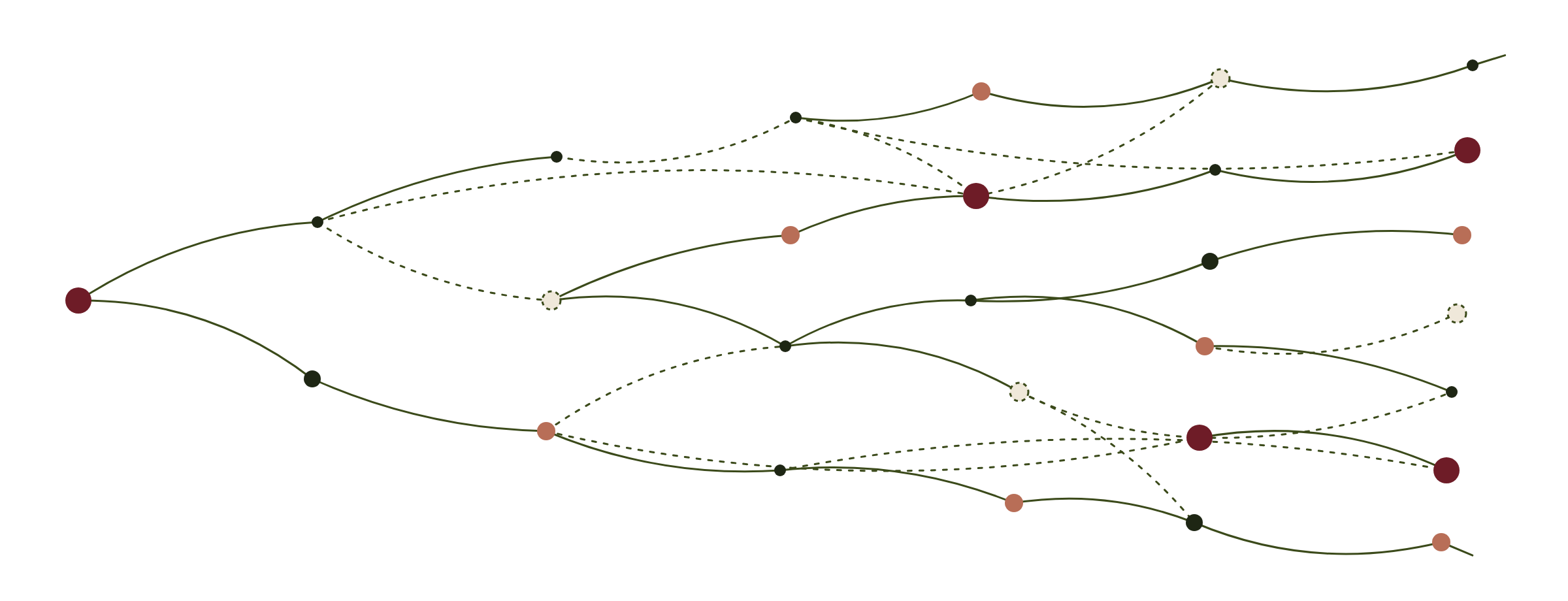
Alongside our work with institutions, we develop our own research and frameworks: ways of understanding how social phenomena take shape over time, and how they might be changed. Our research grows from fieldwork, from the classrooms and museums we work in, and from conversations across disciplines.
Structural literacy
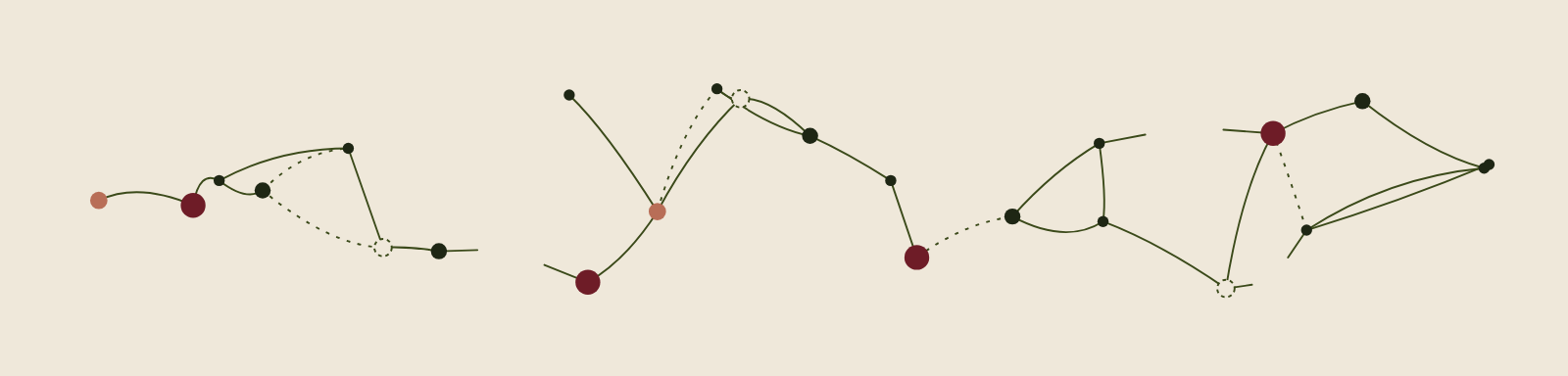
We develop frameworks that help educators and learners see the structures that shape social life, and how those structures change over time. Our approach draws on the image of the rhizome, from the philosophers Gilles Deleuze and Félix Guattari. Like ginger or wild grasses, a rhizome spreads underground without a single root or center; cut it in one place, and it grows again in another. Social phenomena often work the same way. Ideas, practices, and inequalities travel across places and generations, take new forms, and resurface where we least expect them. A rhizomatic view lets learners enter from many points, follow the connections, and see where things might be done differently.
Teaching contested histories: a dialogue framework
Some histories are lived as present conflicts. Our dialogue framework helps educators hold several histories at once, so that students can learn, get informed, and form their own judgments without any history being erased.
Areas of inquiry

Harm and its afterlives
Technology, artificial intelligence, and what algorithms make visible
Belonging, community, and the future of democracy